Regional Horticultural and Training Station, Jachh Jachh (Nurpur), Kangra (HP)

The Regional Horticultural Research Station, Jachh was established in 1987 after transfer of 62 acres of land from the Department of Agriculture and further strengthened with the inception of National Agricultural Research Project (NARP) during 1988-92 to undertake need based location specific research and extension programmes in sub-mountain low hill sub-tropical areas (Zone-I) of Himachal Pradesh. This zone comprises of districts Bilaspur, Hamirpur, Una and parts of district Chamba, Kangra, Solan and Sirmour. The Zone has only 16.40 per cent of the total geographical area of the state but is inhabited by 36.68 per cent of the total population and represents 49.78 per cent of the total cultivated areas and 71.75 per cent of total irrigated area of the state.

Climatically, this zone is highly suitable for growing of various tropical & sub-tropical fruits like Mango, Litchi, Citrus, Aonla, low chilling Peaches, Pear, Ber, Fig etc. Further, the climate in these hills being milder than the plains offers comparative advantages of growing vegetables like Tomato, Cucurbits, Radishes, Cole crops, Onion, Okra etc. more than once in a year over plains. Station is situated on Pathankot-Mandi National Highway at an altitude of 428 m amsl. The maximum temperature goes as high as 43.5˚ C and minimum as low as -0.1˚ C. The mean summer and winter temperatures average at 29.3˚ C and 13.6˚ C. The mean annual rainfall received by the area is 1500 mm.

Mandate

  • To serve as research and extension centre in low hills subtropical areas for improvement of the horticultural and forestry crops.
  • To develop farming systems to increase and stabilize farm produce through effective use of natural and human resources.
  • To identify socio-economic constraints for horticulture and farm forestry development and evaluate means to overcome them.

Strengths

  • Infrastructure and irrigation facilities of propagation to raise healthy planting material of sub tropical fruit plants, vegetables, flowers, forest species and medicinal plants.
  • Sufficient land availability to conduct different demonstrations to disseminate the latest production technologies of growing fruits, vegetables, flowers, forest species, medicinal plants etc. to the farmer/growers.
  • Well equipped training hall and farmer’s hostel facilities are available.
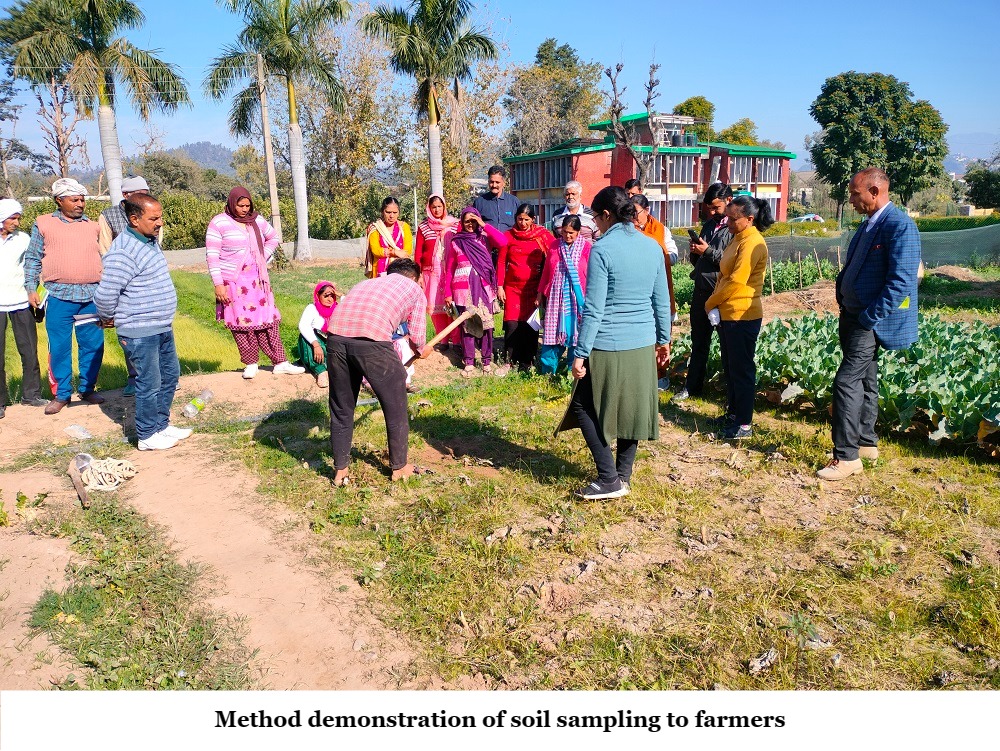
  • Soil testing laboratory facilities to assess the soil samples of low hill sub-tropical areas for site specific nutrient recommendations.
  • Well connected to Pathankot-Mandi national highway.

Research

Thrust Areas

  • Collection and conservation of germplasm of different sub-tropical fruits, vegetables and medicinal plants for effective varietal improvement programme.
  • Identification and introduction of new/ high value crops for growing in sub-tropical areas.
  • Survey and surveillance of major insect, pest and diseases of fruits and vegetables and development of integrated disease and pest management technology modules.
  • Strengthening of existing infrastructure facilities to enhance mass multiplication of quality planting material so as to meet the ever increasing demand of farmers of the state.
  • Transfer of technology for farmers and extension functionaries of Govt. departments through demonstrations, trainings, awareness camps, field days, kisan mela etc.

  • Production of good planting stock of Harar (Terminalia chebula), Baheda (Terminalia bellirica), Amla (Phyllanthus emblica) and Reetha (Sapindus mukorossi) for carrying out planting and transfer of technology to stakeholder. (Agency: RKVY, 2024–26)
  • Agroforestry component of RKVY-Cafeteria under HP283-9145-Sub Mission on Agro-forestry. (Agency: RKVY, 2024–26)
  • National Bamboo Mission Project under RKVY-Cafeteria. (Agency: Directorate of Agriculture, 2024–26)
  • Improvement in socio-economic status of the low hill farmers through popularization of round the year cultivation of High Value vegetable Crops funded by HIMCOSTE. (5.60 Lakh, 2024–26)
  • Enhancing farmers income through early and true to type plant material of Terminalia chebula in Himachal Pradesh system funded under State Scheme. (3.50 Lakh, 2023–25)
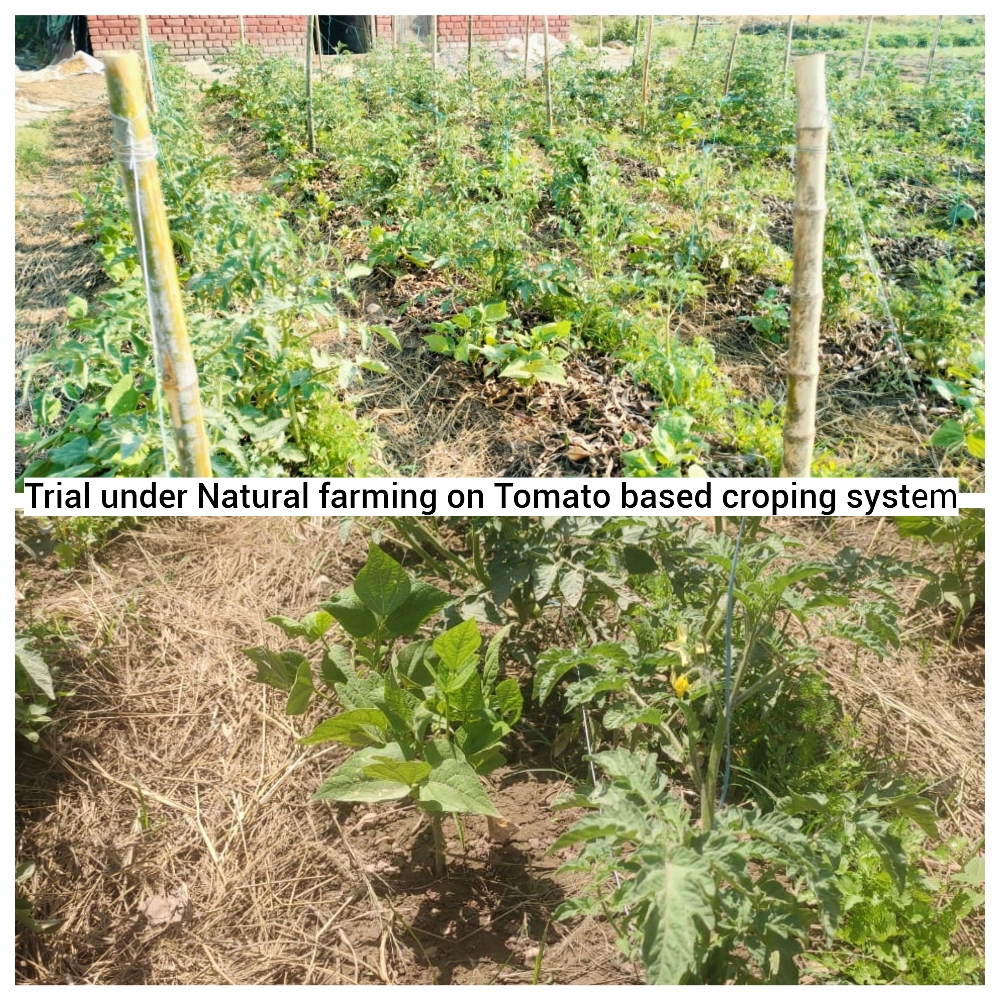
  • Studies on the effect of natural farming practice on crop productivity under horticulture based cropping system funded under State Scheme. (3.50 Lakh, 2023–24)
  • Breeding subtropical fruit crops for climate resilient varieties with improved production potential funded under State Scheme. (2.00 Lakh, 2023–24)
  • Entrepreneurial skill development for production of quality planting material of subtropical horticultural, medicinal and vegetable crops for enhancing livelihood status of unemployed youths and progressive farmers funded by RKVY, RAFTAR. (51.46 Lakh, 2022–23)

Technologies / Process developed

  • Rejuvenation technology for senile and unproductive mango orchards has been standardized.
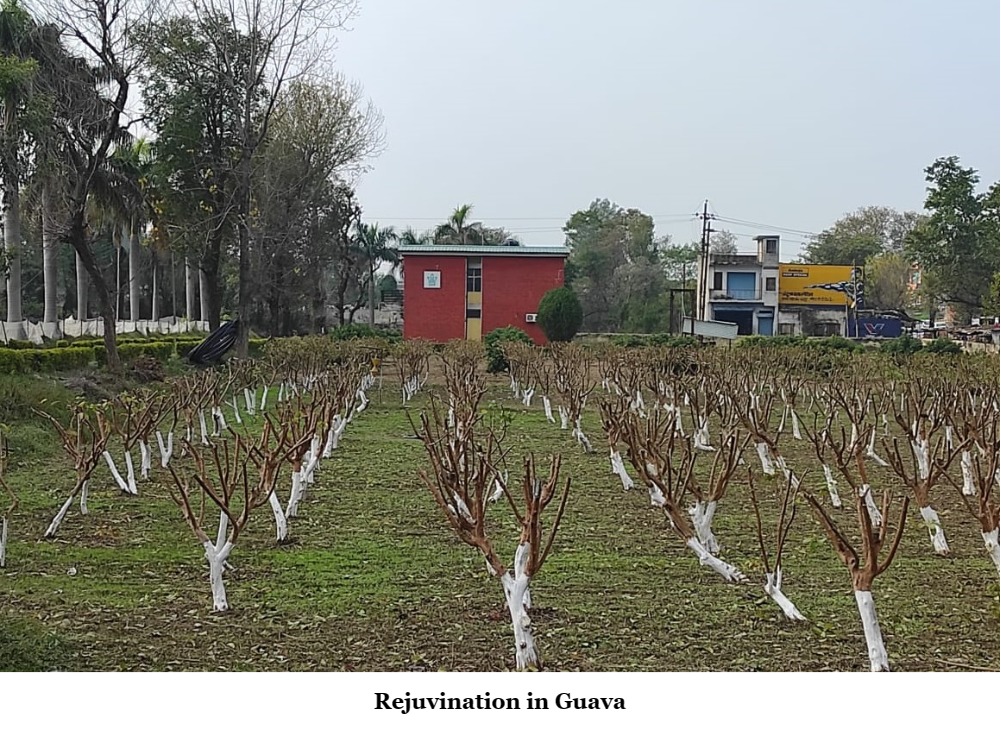
  • A technology to restore the production potential of senile/unproductive guava trees is developed.
  • Dwarf and early bearing mango cultivar “Amrapali” with excellent fruit and keeping quality is most suitable for high density mango orcharding.
  • Ultra high density in guava at a spacing of 2x2m accommodating 1000 plants/acre.
  • Under INM module in the Dashehari cultivar of mango, the treatment 75% NPK and FYM with biofertilizers was found to be the best.
  • Con-joint application of inorganic fertilizers, organic manures and biofertilizers improved kinnow mandarin productivity and quality.
  • Five Litchi cultivars were evaluated and cultivar Shahi was found most vigorous with highest yield and TSS.
  • Six superior cultivars of Cordia myxa have been developed and technology for mass multiplication standardized.
  • Poplar clones were tested for productivity and agro-ecological suitability.
  • Dalbergia sissoo was studied for dying back disease response under different root zone soils.
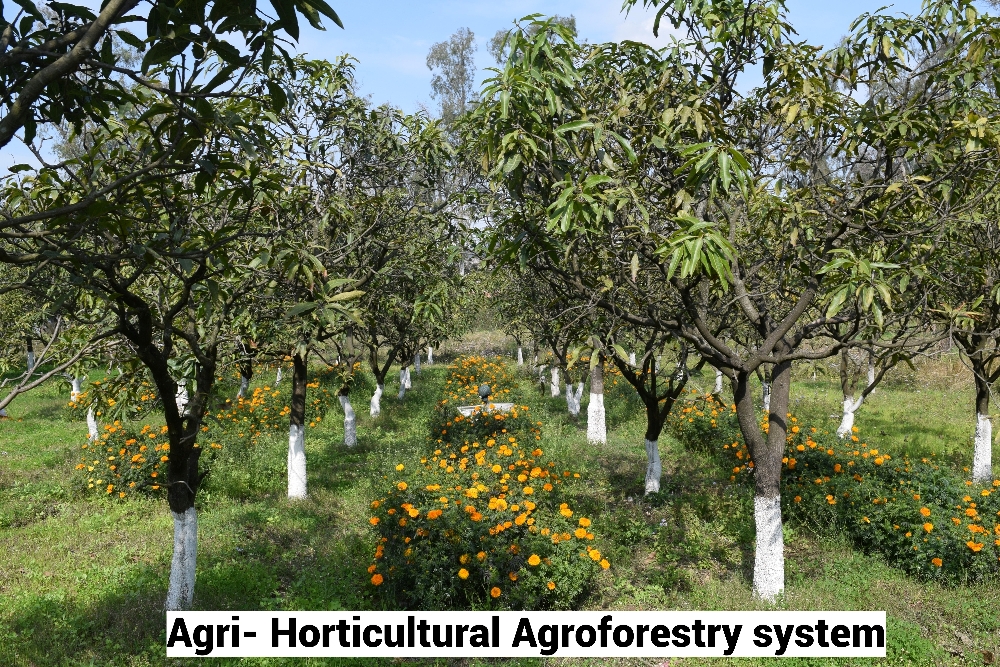
  • Effect of different spacing of Amarpali mango on marigold production in summer was studied.
  • Four promising strains (JH-1, JH-2, JH-3 and JH-4) of Harar have been selected from wild populations.
  • Heat stratification has been standardized for Harar seed germination.
  • Integrated use of inorganic manures with organic manures and bio-fertilizers in pea was found economically beneficial.
  • 50 mustard genotypes were evaluated and genotype JD-6 performed best in several parameters.
  • Evaluation of 21 chilli genotypes was conducted and Chilli LC-3 recorded the highest fruit weight.
  • Genome-wide association studies for insect resistance and yield in potato are being carried out at Nagrota Bagwan.

Technologies selected in Package of Practices of Horticultural Crops: 4

Patents Filed/ Published/Granted: Nil

Technologies commercialized: 6
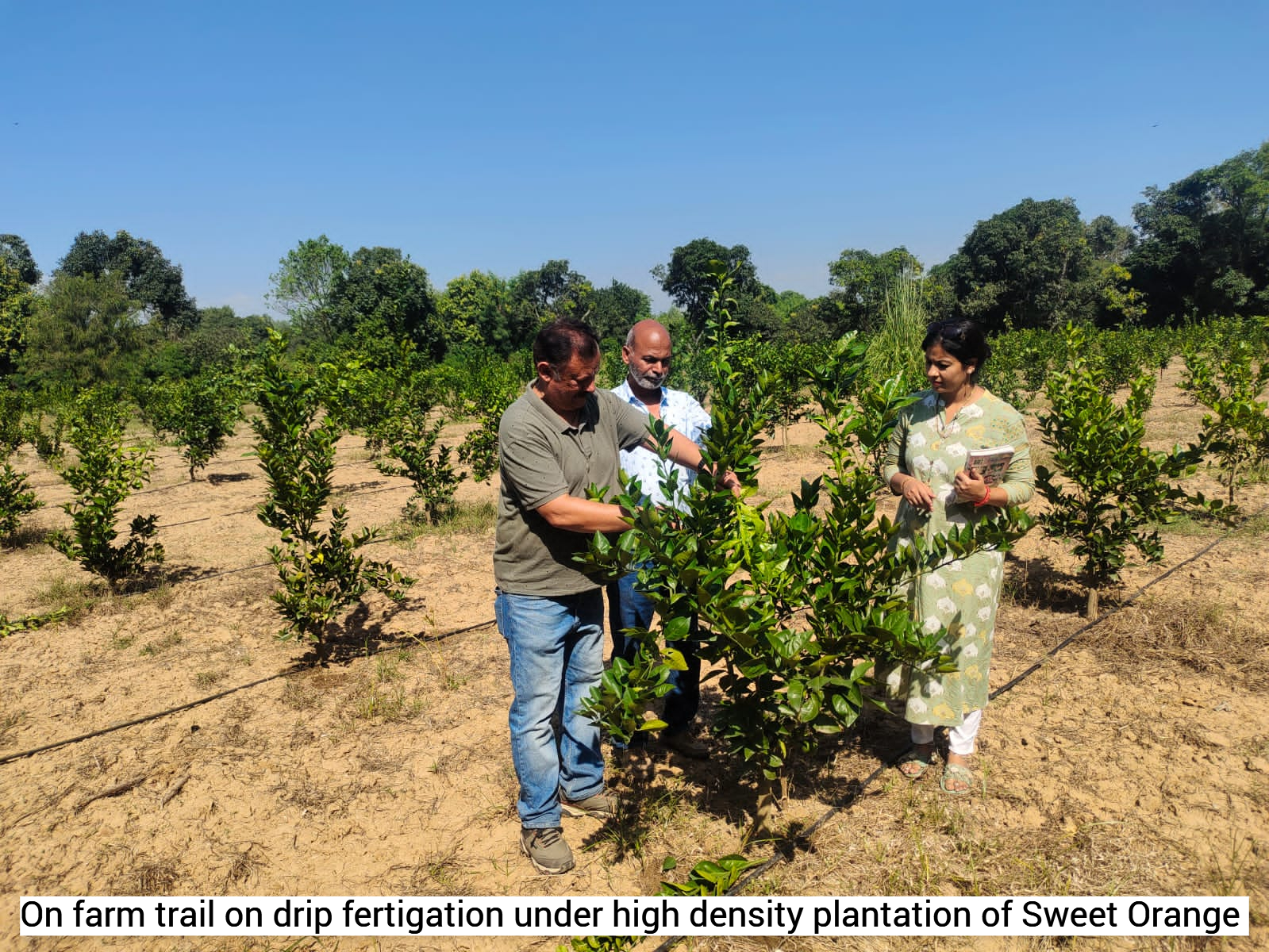
Research activities and technologies developed at Jachh station
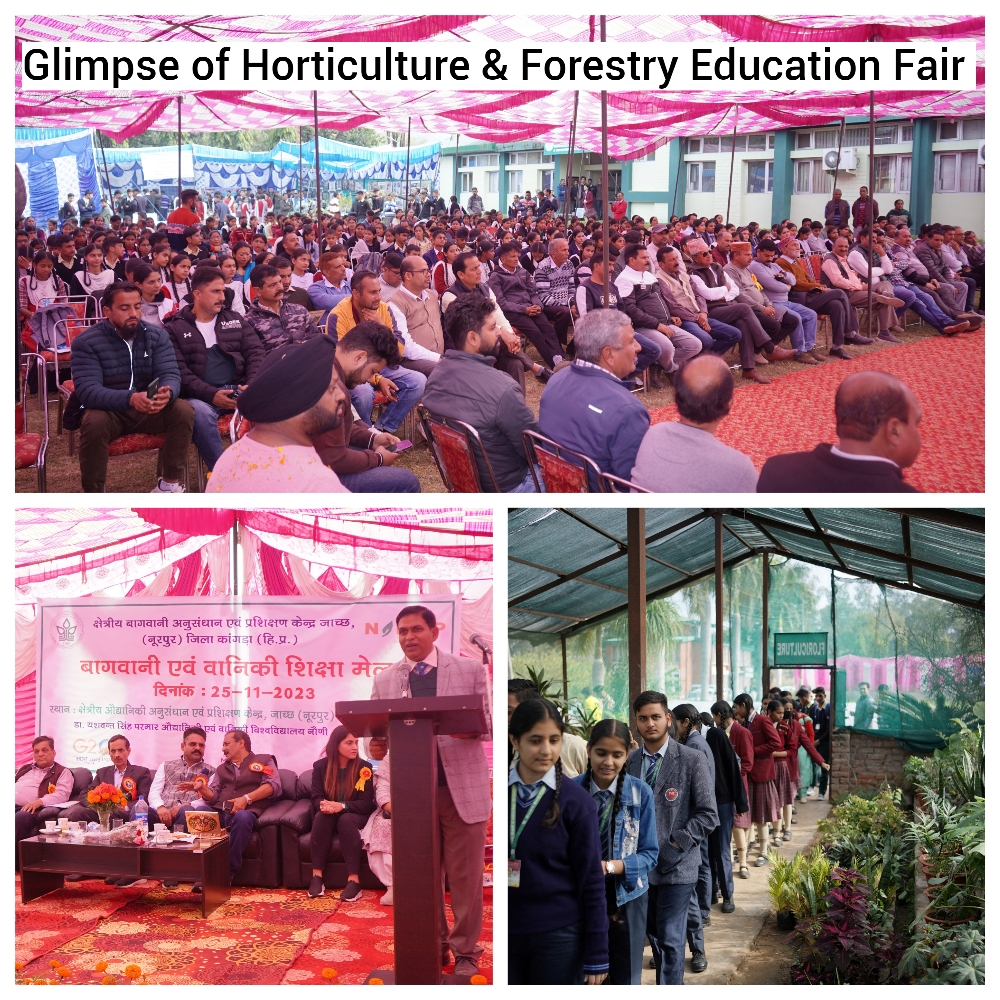
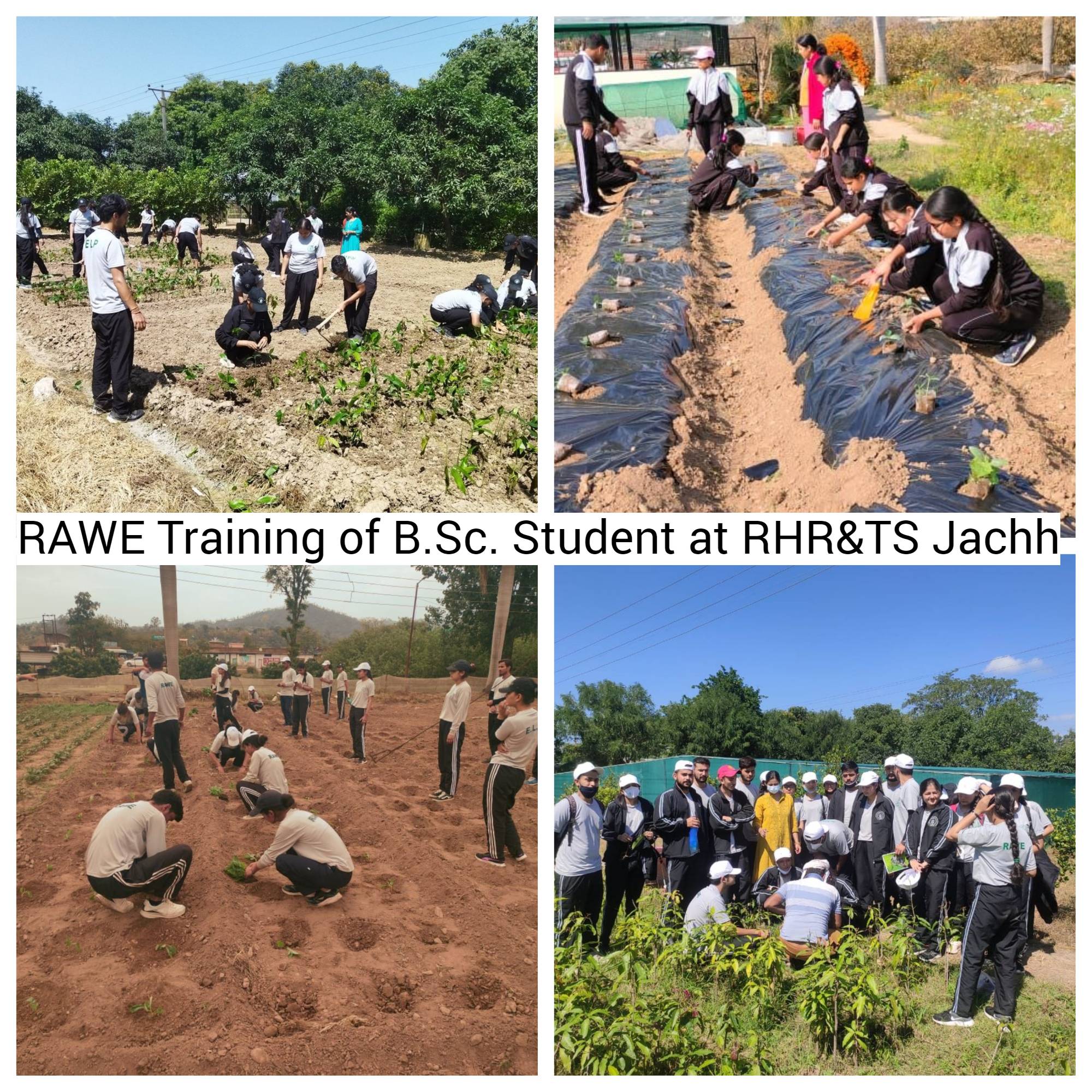
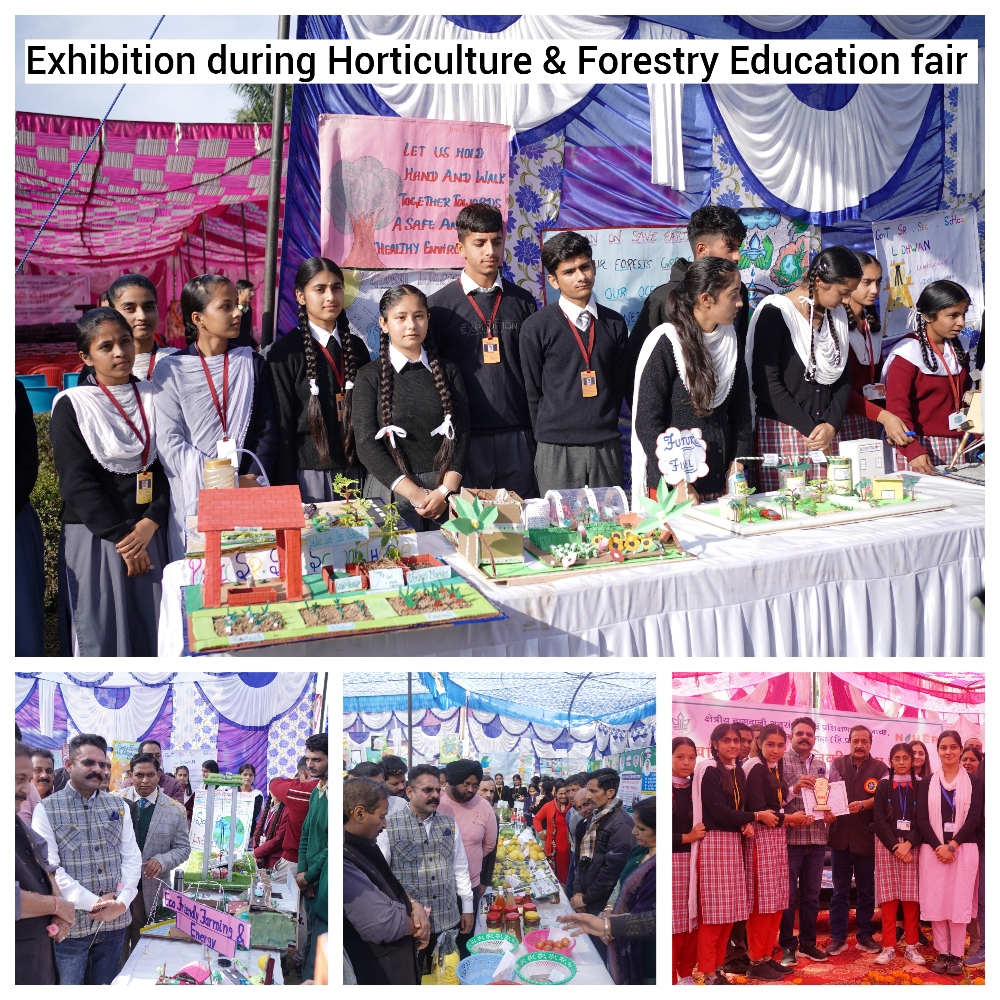
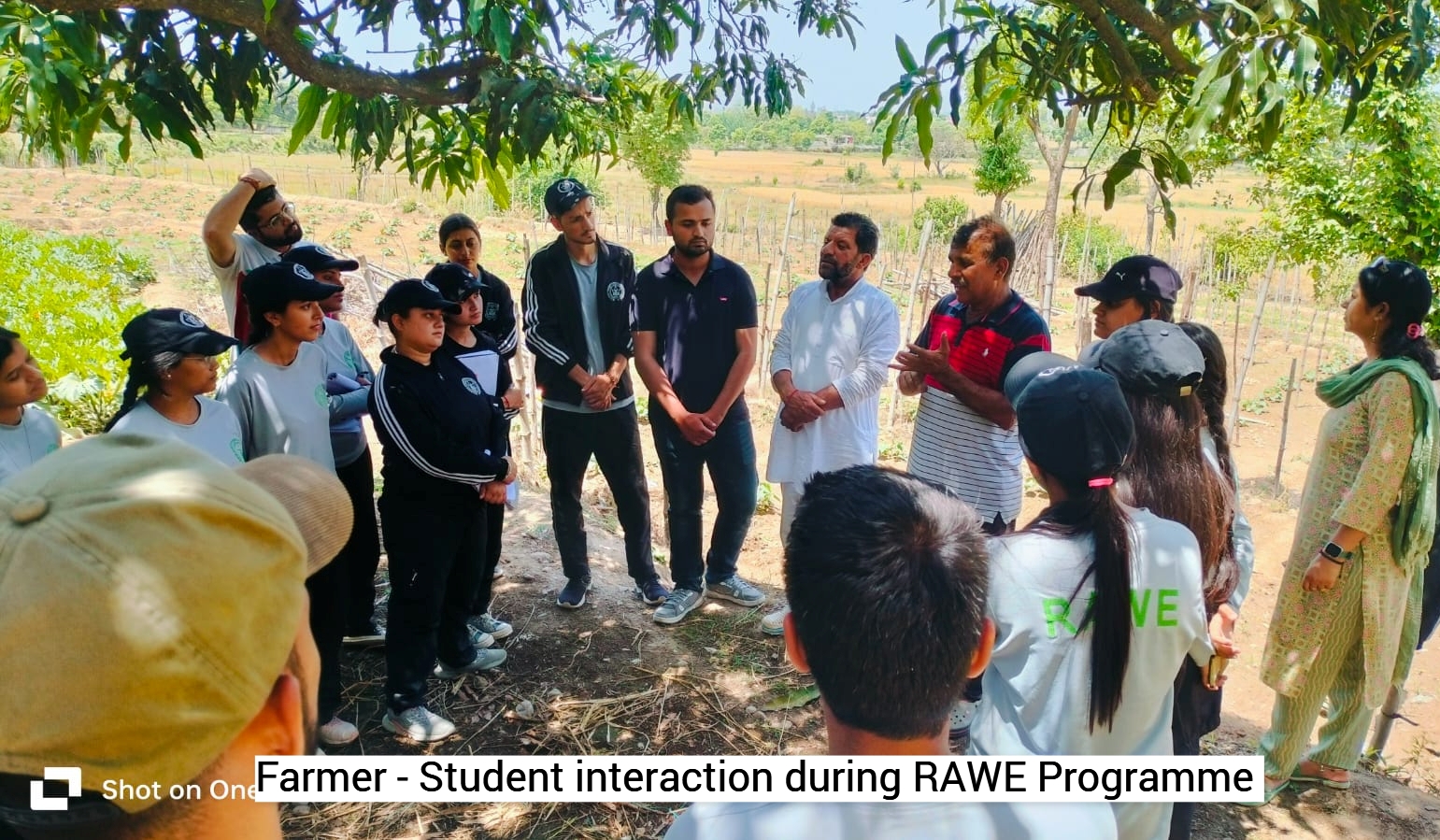
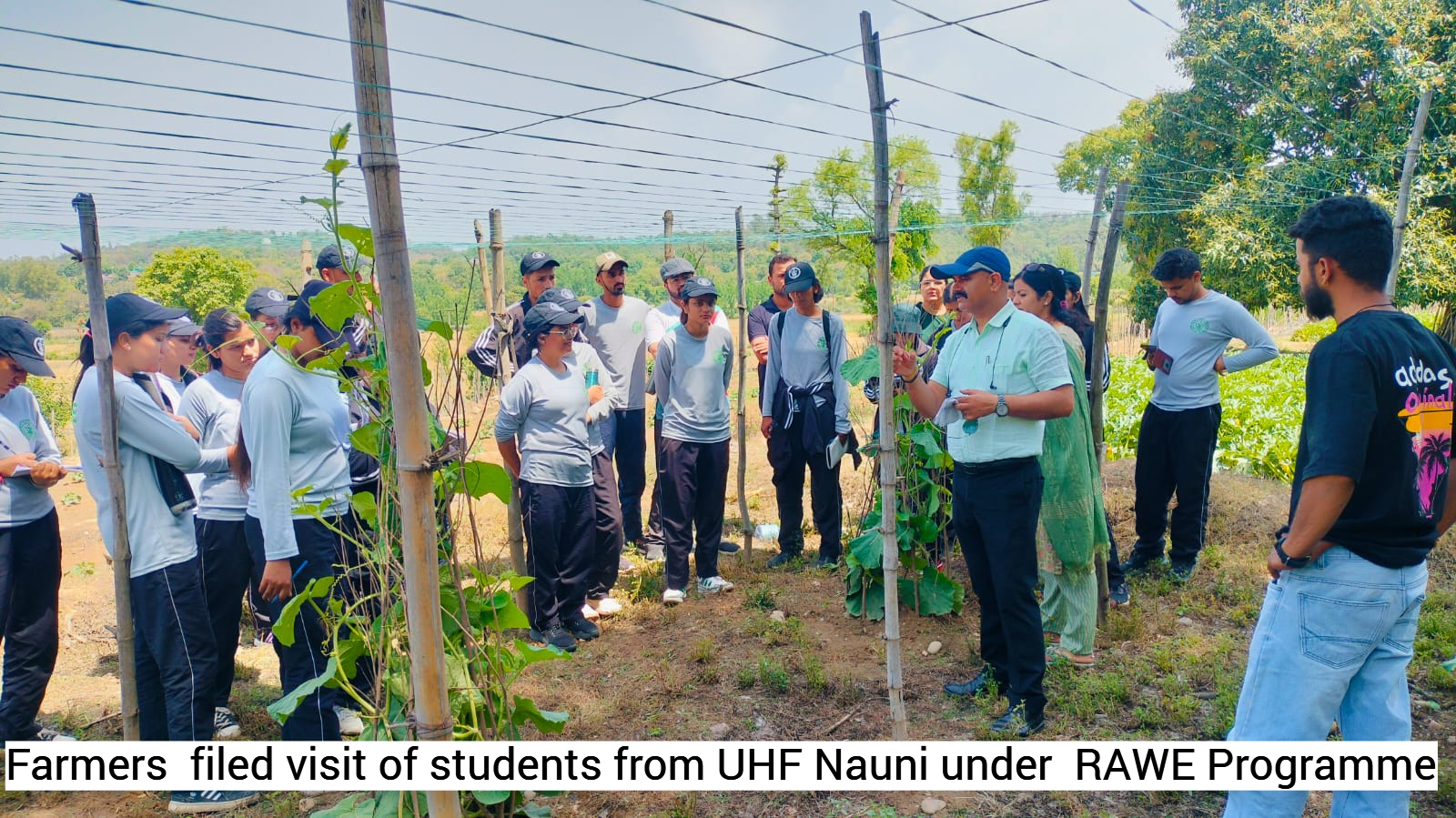
Training and extension activities at Jachh station

Extension

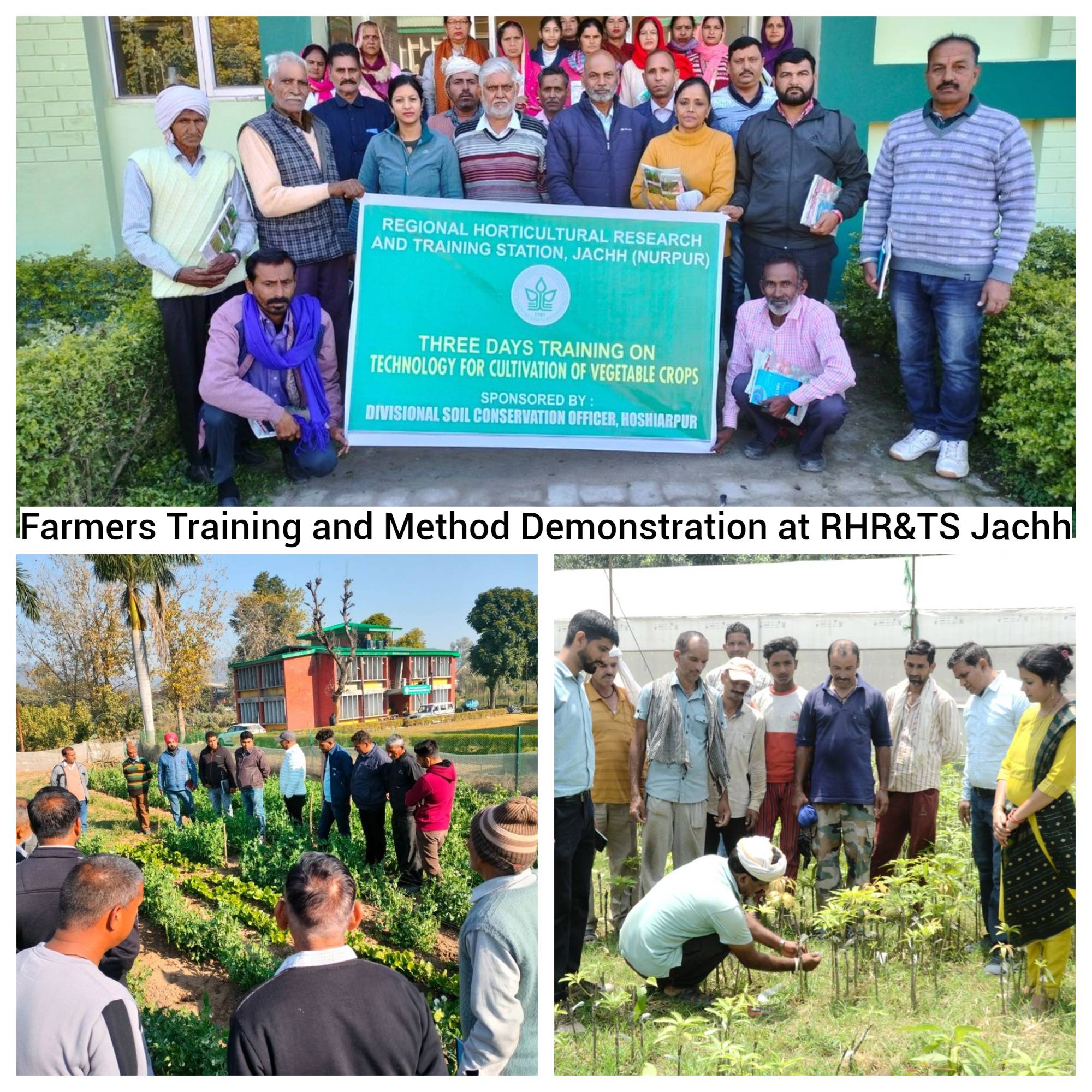
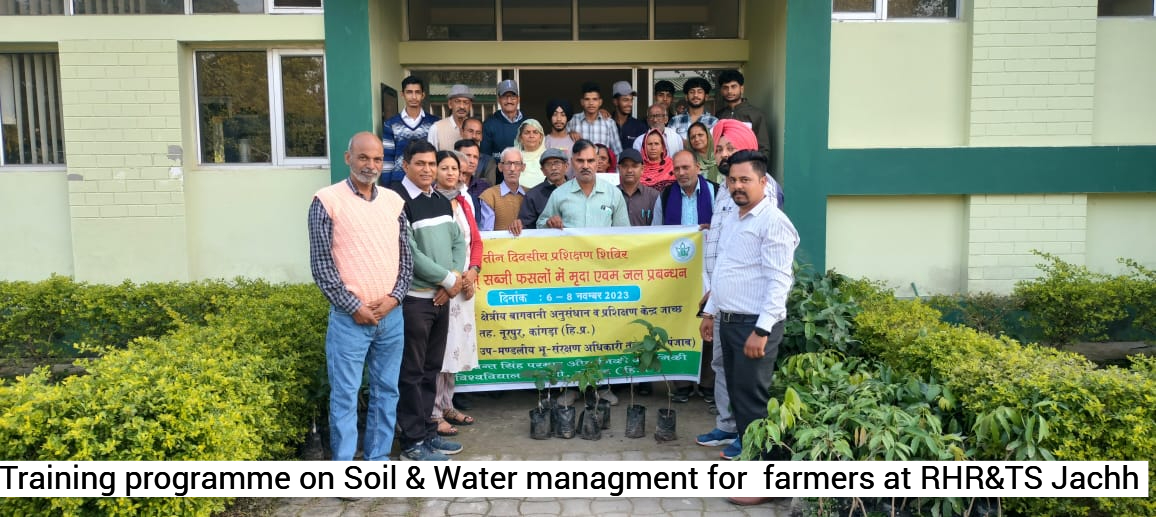
  • Organized fifty nine on-campus training programmes for 1537 farmers of Kangra District and adjoining areas.
  • Organized seven field days at different locations during the period.
  • Organized one Kisan Mela at RHRTS, Jachh in which more than 200 farmers participated.
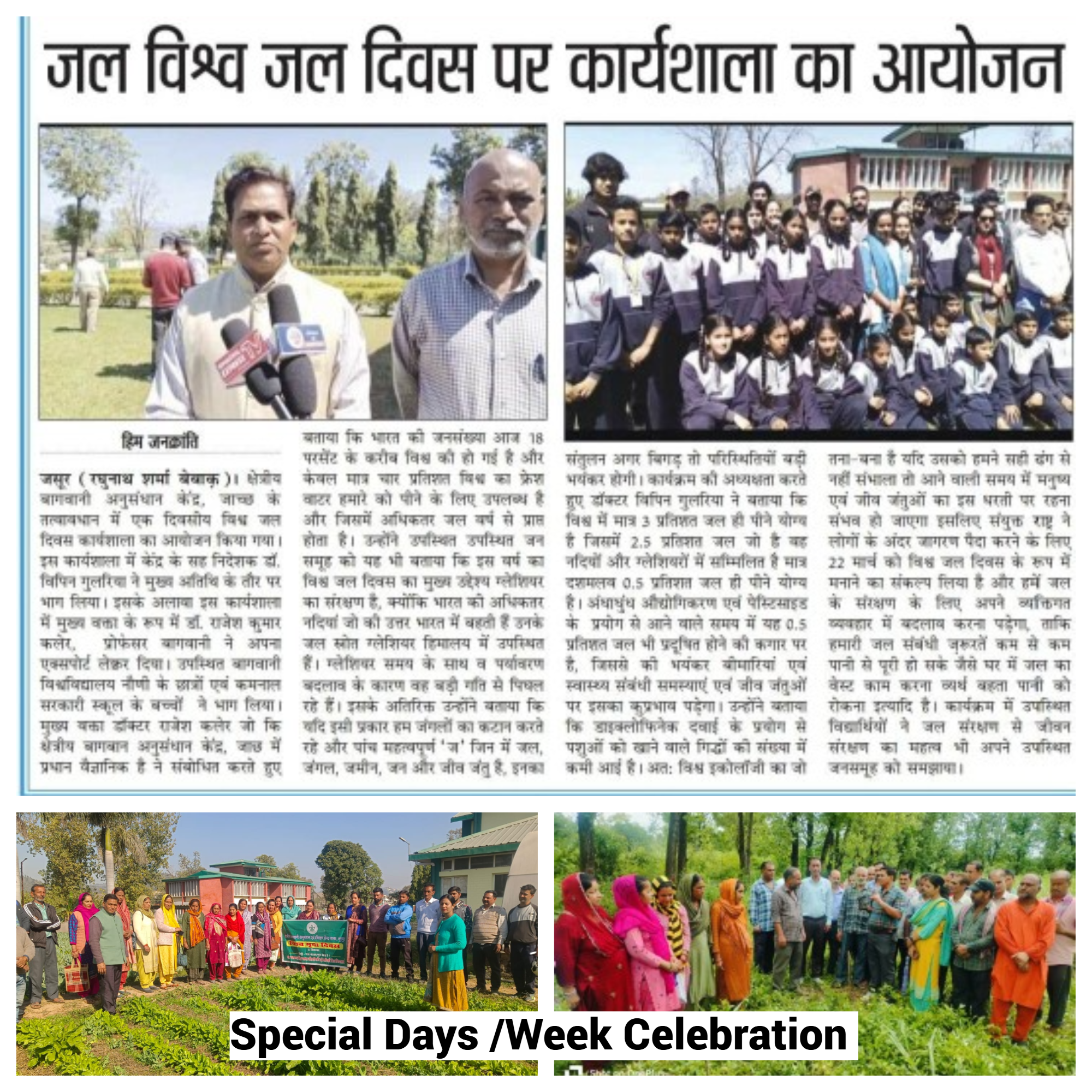
  • The scientists have delivered more than 50 lectures and 7 Radio/Television talks.
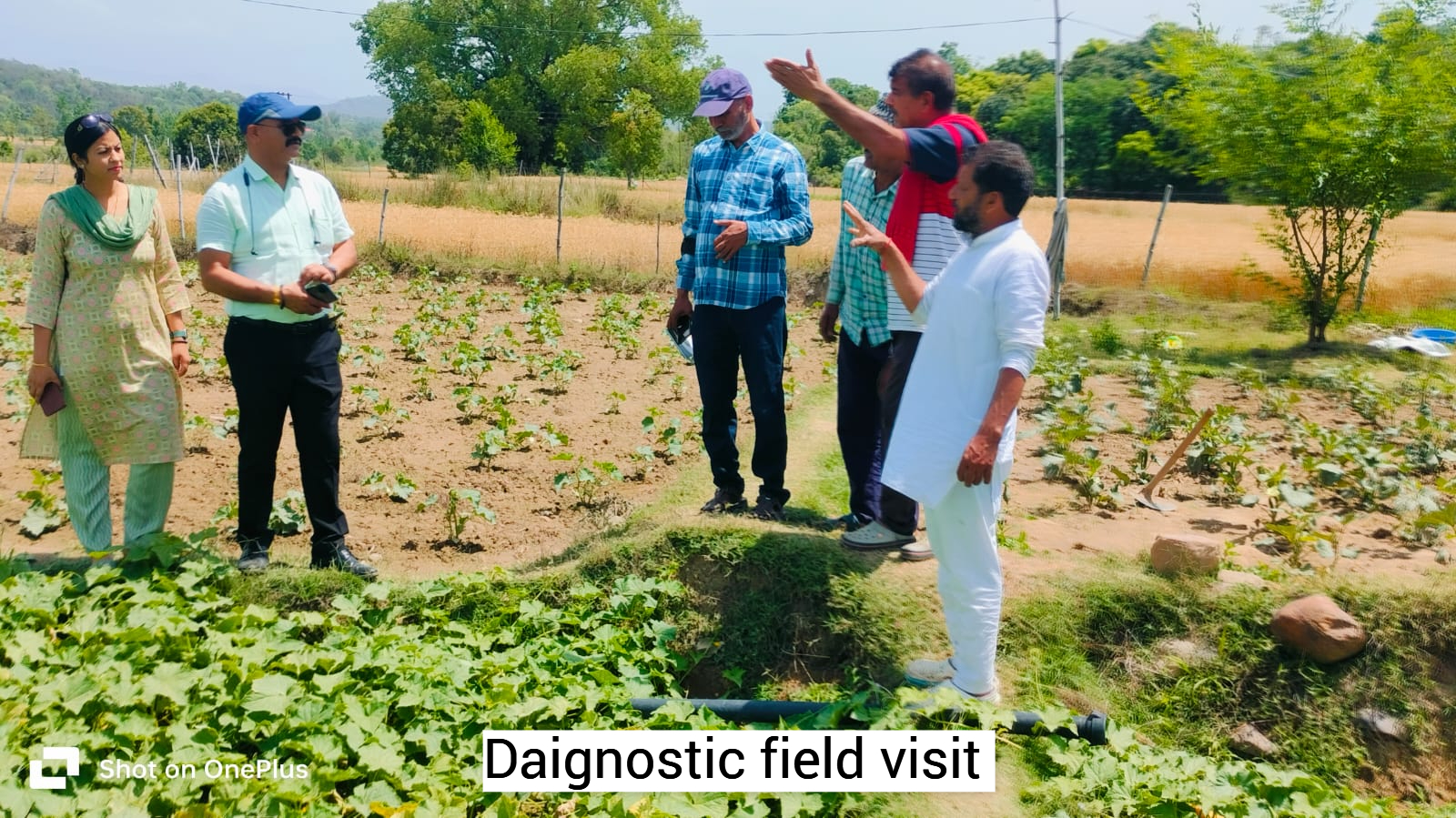
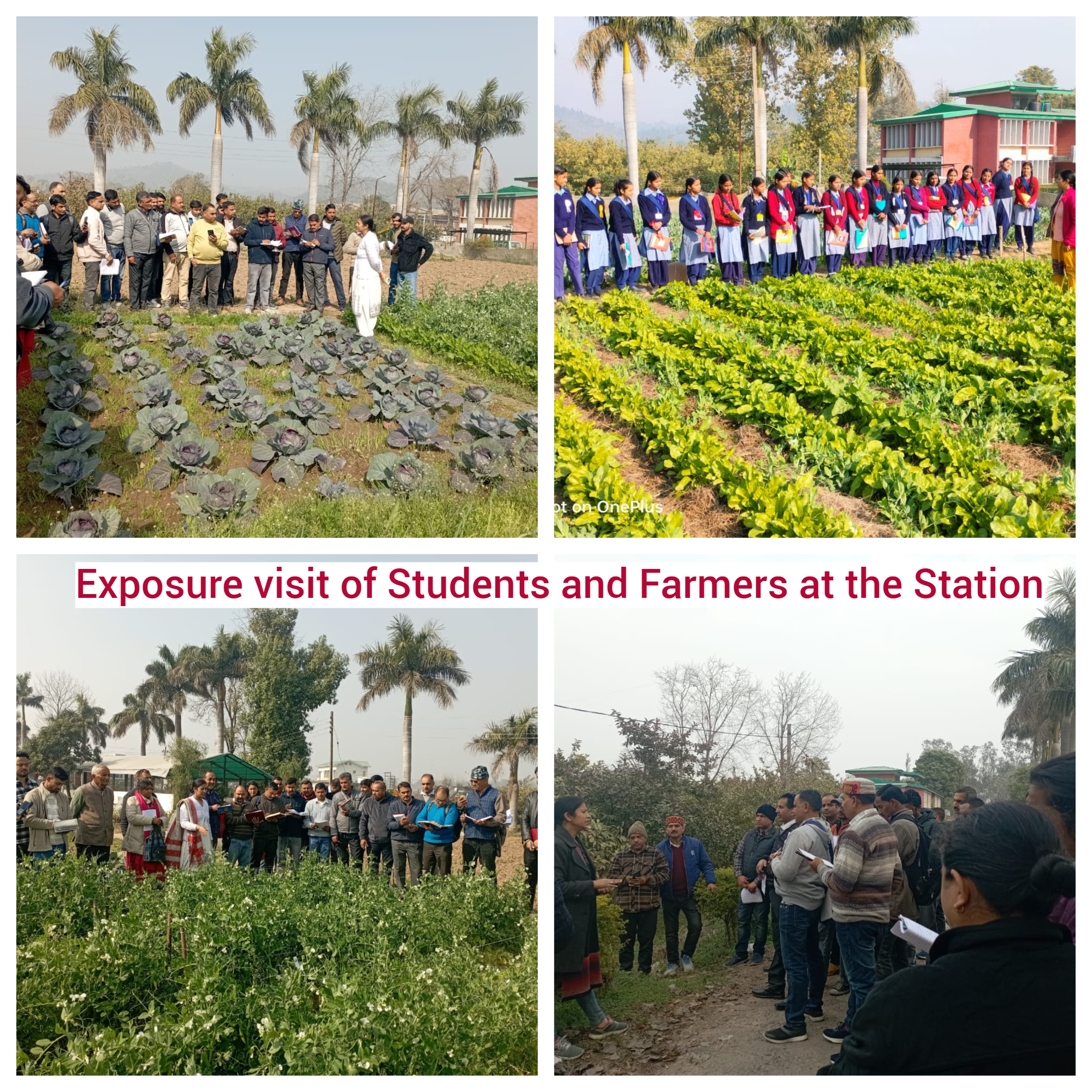
  • Organized forty one exposure visits for farmers/students (921 beneficiaries) and 50 diagnostic/field visits.

Awards/Recognitions

  • Vipan Guleria received Life Time Achievement Award-2022 for contribution in the field of lesser known fruit.
  • Dharminder received Best Oral Presentation Award-2022 in an international conference on climate change and biological sciences.
  • Dharminder received Best Oral Presentation Award-2022 in an international conference on climate change scenario and risks.

Facilities

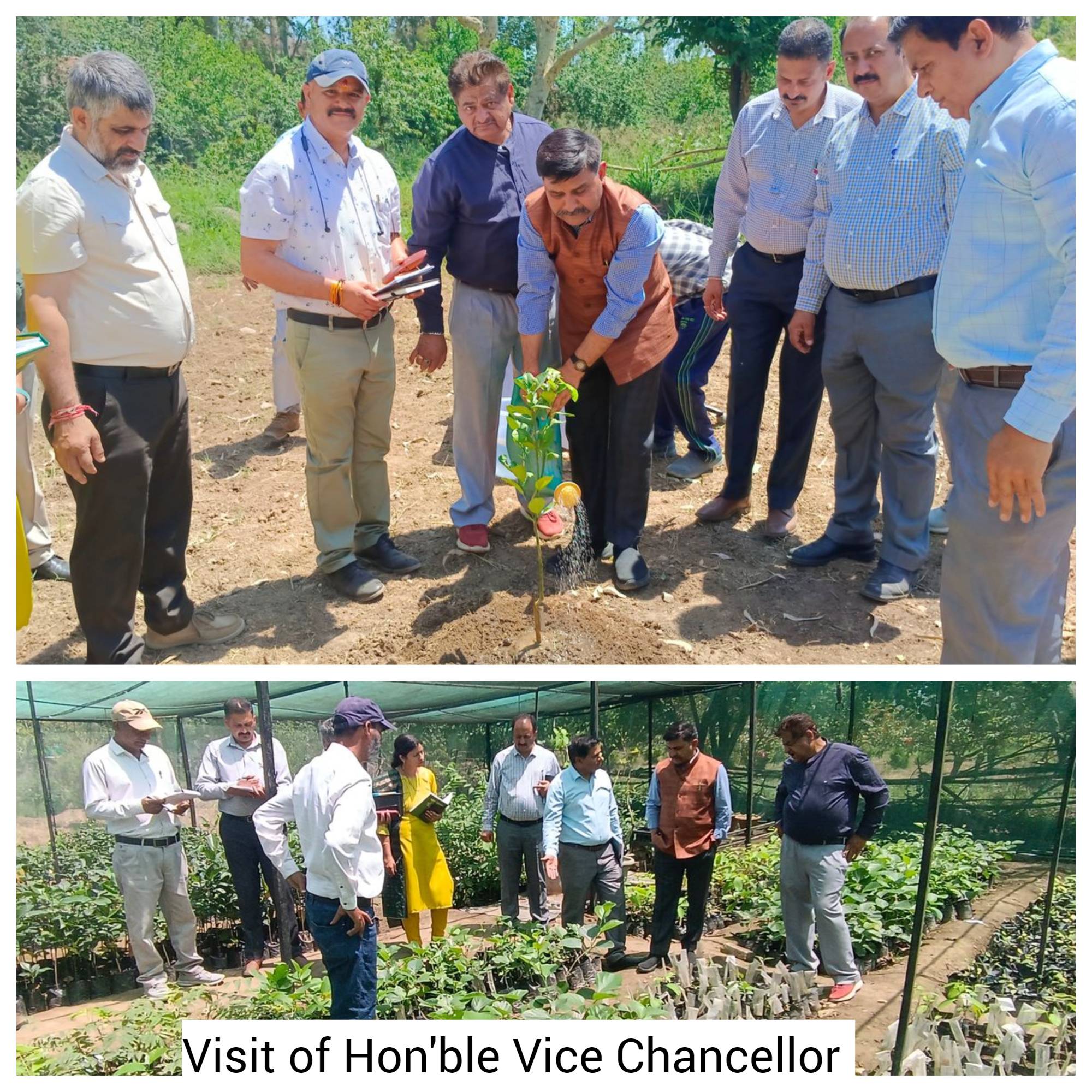
  • Hi-tech horticulture and forest nursery (polyhouses, shade houses, mist chamber, vermicompost unit etc.)
  • Carbon analysis laboratory equipped with TOC analyzer.
  • Tree measurement and volume estimation laboratory.
  • Soil testing laboratory equipped with pH meter, EC meter, Nitrogen Kjeldhal, Flame Photometer, Spectrophotometer, Oven cum incubator etc.
  • Farmer’s hostel, well equipped training hall and demonstration units for providing trainings to the farmers.