
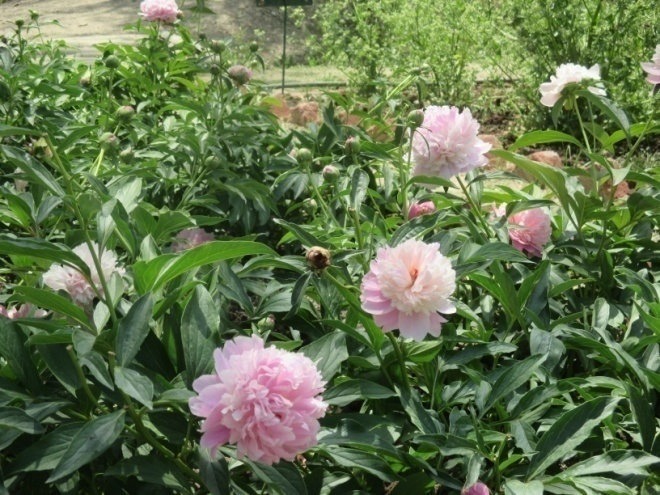
Paeonia ememodi, also called the Himalayan peony, is an important medicinal plant that belongs to the Paeoniaceae family. Paeonia emodi is a perennial herbaceous plant that grows naturally in the Himalayan region and is found in many parts of the world, including India, Pakistan, Nepal, and Afghanistan.
The plant is mainly found in the Western Himalayan region of India in Himachal Pradesh, Jammu & Kashmir, and Uttarakhand and grows naturally at an altitude between 1200 and 3000 meters above sea level.
Paeonia emodi grows best in cool temperate climates and is commonly found in moist forest slopes, open woods, and grassy mountain areas. The plant is characterized by white fragrant flowers, deeply divided leaves, and thick roots. The roots are the most valuable part of the plant and are widely used for medicinal purposes.
Because of its attractive flowers, the plant is sometimes cultivated as an ornamental species, but its primary importance lies in its medicinal value.
Recognizing its importance, the plant was first recorded by the Department of Forest Products on 31st August 1995 as a valuable medicinal species. Since then, efforts have been made to conserve and multiply the plant to ensure sustainable utilization and protection of its natural populations.
For centuries, Paeonia emodi has been used in traditional medicinal systems due to the presence of several bioactive compounds. Scientific studies reveal that its roots contain paeoniflorin, tannins, flavonoids, glycosides, and alkaloids, which contribute to its therapeutic effects.
The plant possesses several medicinal properties including:
Traditionally, the roots of Paeonia emodi have been used to treat joint pain, rheumatism, and inflammation. Herbal practitioners also recommend it for digestive disorders such as stomach pain, diarrhea, and intestinal cramps.
In addition, the plant has been used to support respiratory health and help treat conditions such as cough, asthma, and bronchitis. Due to its mild sedative effect, it is sometimes used in traditional remedies for epilepsy, anxiety, and nervous weakness.
The herb also plays a role in gynecological health where it is used in traditional medicine to manage menstrual irregularities and related issues.
Because of these diverse medicinal properties, Paeonia emodi has gained increasing interest among researchers, herbal practitioners, and pharmaceutical scientists. However, the rising demand for its medicinal roots has led to excessive harvesting from wild populations, causing a noticeable decline of the species in some Himalayan regions.
Paeonia emodi is currently conserved in the Botanical Garden of Dr. Y. S. Parmar University of Horticulture and Forestry, Nauni, Solan. This species has been identified as one of the priority medicinal plant species of the university, and efforts for its large-scale multiplication are presently underway to ensure the long-term preservation and sustainable utilization of this valuable plant.
As a future direction, the development and standardization of a comprehensive package of practices for the cultivation of Paeonia emodi will be undertaken. This will facilitate its dissemination among farmers and local communities in the Himalayan regions, encouraging its cultivation at a wider scale.
Such initiatives are expected to reduce pressure on natural populations while simultaneously providing economic benefits and livelihood opportunities to local communities. The sample of this plant has been preserved in the university’s herbarium (Voucher No. 5938) since 31st August 1995.
Furthermore, future efforts will focus on organizing awareness programs and training initiatives for farmers and local communities. These programs will emphasize sustainable harvesting techniques, conservation strategies, and cultivation practices to ensure the long-term conservation and responsible utilization of this important Himalayan medicinal plant.