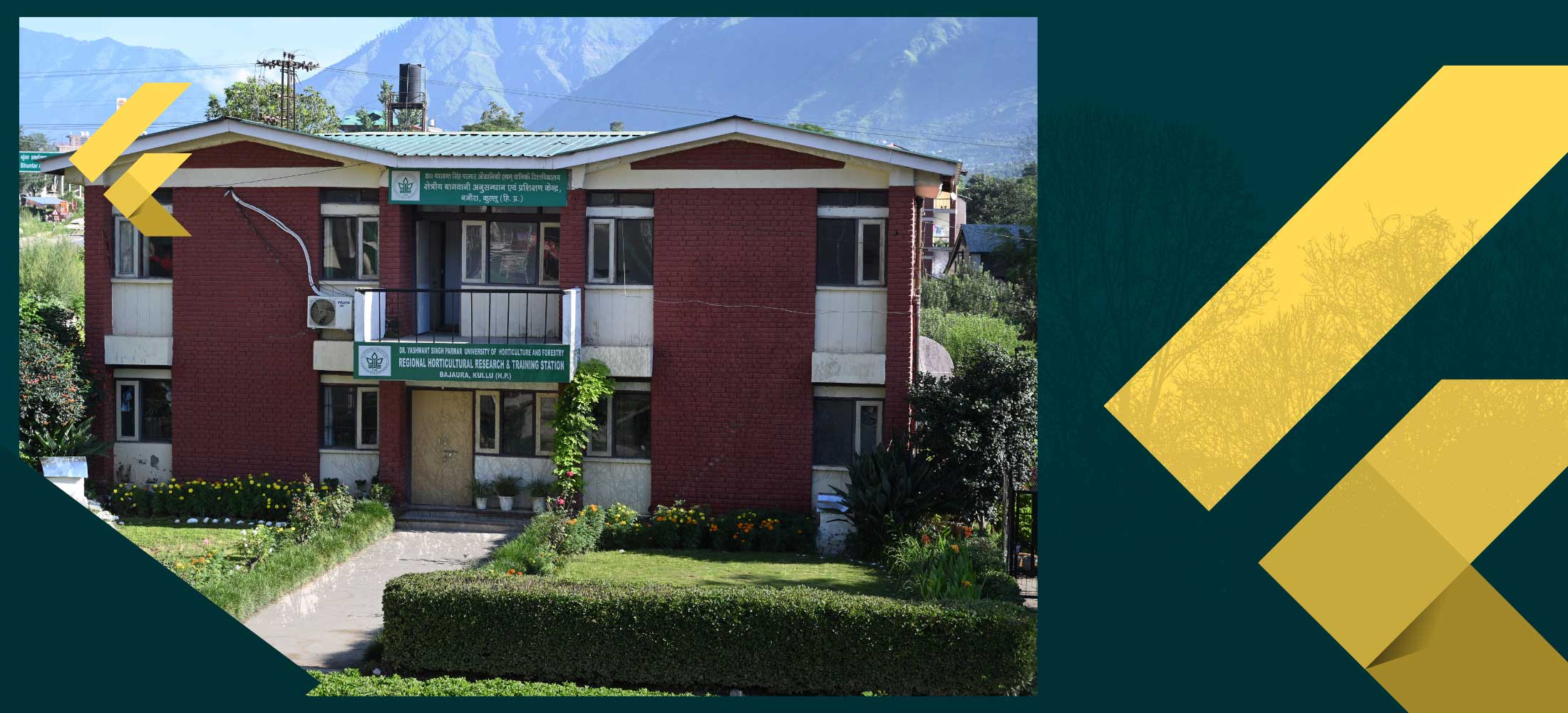
REGIONAL HORTICULTURAL RESEARCH & TRAINING STATION BAJAURA District Kullu (Himachal Pradesh) INDIA

Achievements

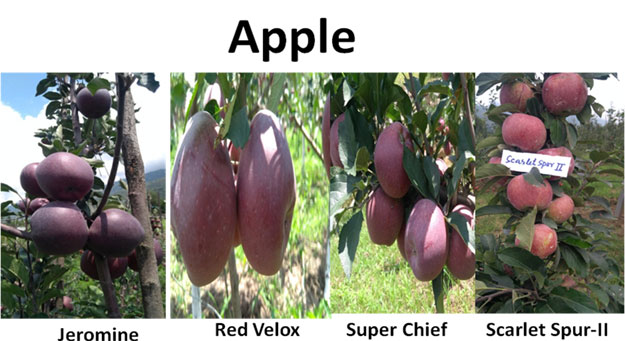
  • APPLE :-King Roat, Dark Baron Gala, Chelan Spur, Schnico Gala are the other varieties introduced at the station
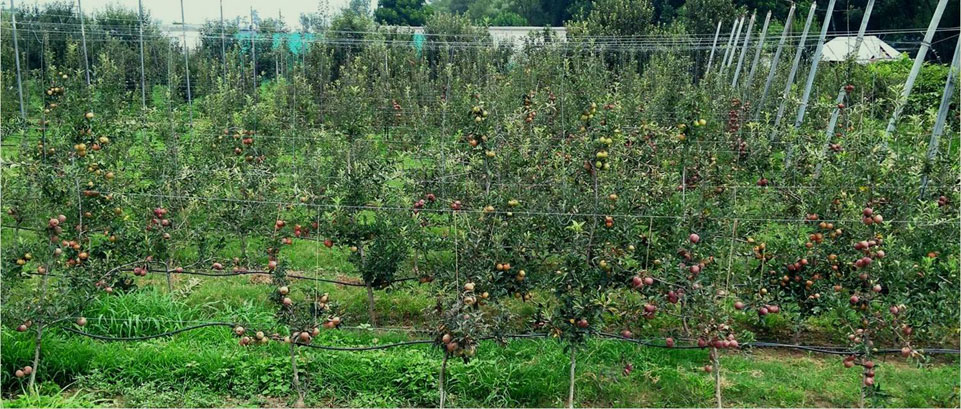
  • A block of high density plantation has been established at Bajaura as well as Seobagh depicting different training systems
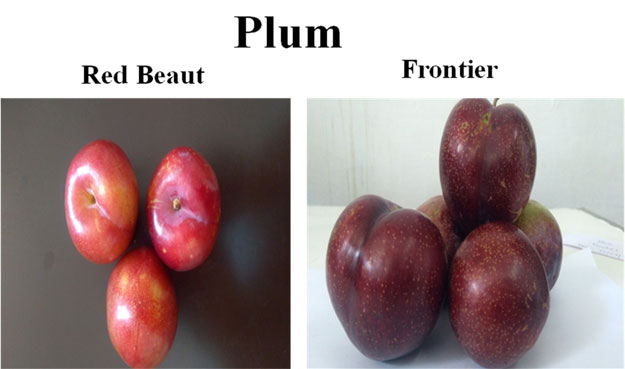
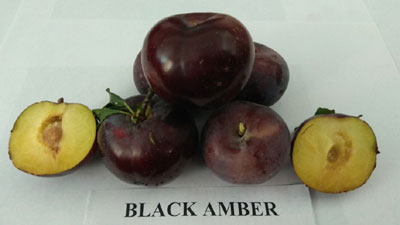
  • In plum early maturing (Red Beaute) and late maturing (Frontier and Mariposa) cultivars of plum were introduced and are in cultivation with the farmers. Anew variety of plum has been evaluate and recommended to the orchardists.

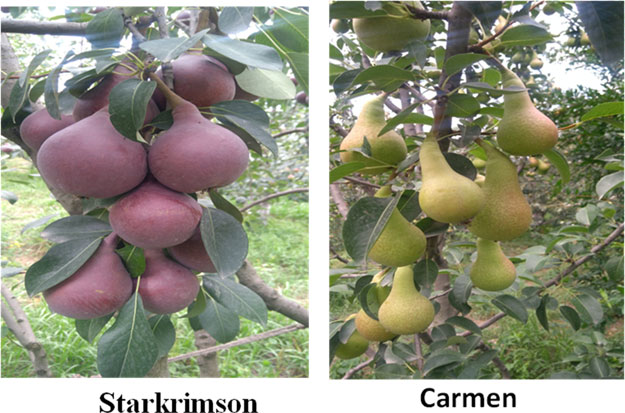
In pear cv. Starkrimson (red coloured) and Carmen varieties were introduced and are in cultivation in Kullu valley
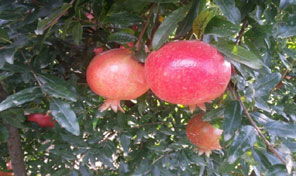
  • In Apricot introductions from Srinagar have been evaluated and Under new fruits, kiwifruit (cvs Hayward and Allison) and pomegranate (cvs Kandhari Kabuli, Bhagwa) have also been introduced and recommended to the growers.
  • Red Haven cv. of peach and Silver King of nectarine have been found suitable for cultivation. New cultivars viz., Spring Bright, Red Gold, Venus Missorie and Syria of nectarines and cv. Andross of peach are at final stage of evaluation and recommendation.

  • A new variety of Pomegranate “Kandhari Seedless”, has been developed through crossing main variety Kandhari Kabuli with soft seeded variety Bhagwa, this variety is having the soft seeds of Bhagwa and fruit yield and colour qualities of Kandhari Kabuli.

A bud wood bank of all the recommended varieties of apple including virus indexed plants has been established at Seobagh
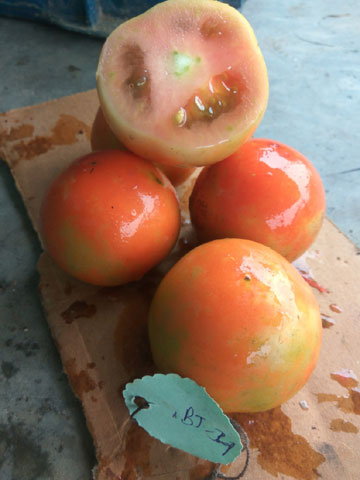
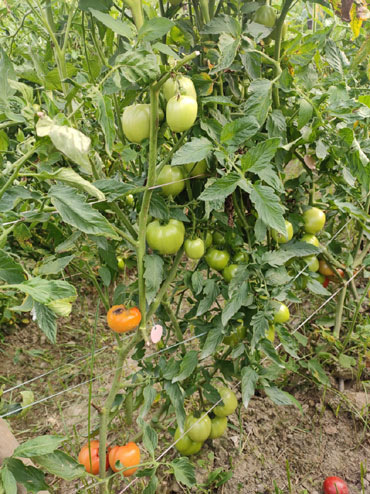
  • A new variety of tomato named Baj-T-4 has been developed through the recurrent selection process and is under evaluation.
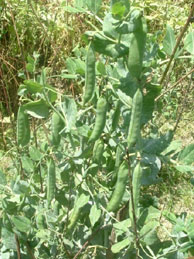
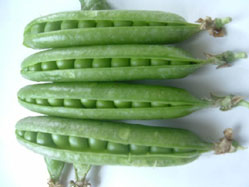
  • A new pea variety has been developed and is under field evaluation for the recommendation to the farmers.
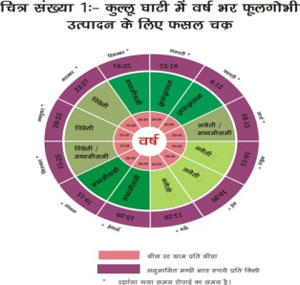
  • The technology of year round production of cauliflower has been recommended for higher net profits of the farmers under the mid hills of the state.
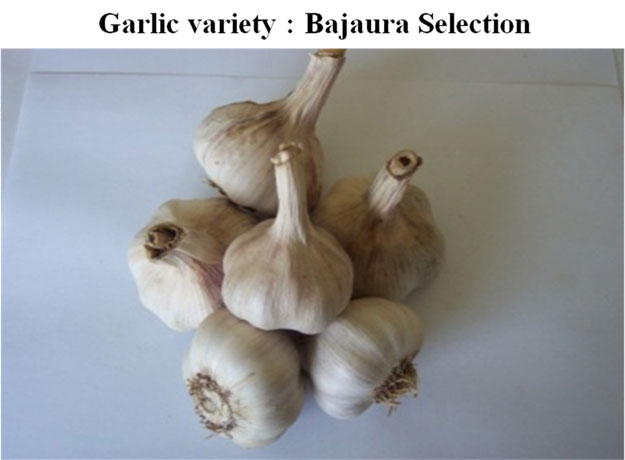
  • A new variety of garlic has been selected which can give high bulb yields and is under field evalaution
  • Production technology of cultivation of lilium, carnation and gladioli has been standardized.
  • A large collection of flowers, indoor plants and other landscape plants has also been done at the station.
  • An Arboretum - Pinetum having exotic pines, conifers, broad leaved and other timber species has been established at Manali and the agro forestry activities are being undertaken at Bajaura.
  • The growers are being provided plants of thornless Robinia pseudoacacia, hybrid poplar, chinar etc
  • Temperate bamboo species are being tested for their suitability in Kullu valley.
  • Bamboo based agro forestry system involving bamboo species viz. Phyllostachys pubesense and Dendrocalamus hamiltonii is under evaluation along with field crop viz., ginger, turmeric, aloevera, soybean and wheat.
  • A good collection of grasses has also been maintained.
  • In Research Farm at Rahla 34 species of temperate aromatic and medicinal plants have been domesticated and maintained.
  • Propagation techniques for successful cultivation of Picrorhiza kurrooa have been standardized.
  • Forecasting based monitored control strategy developed for the effective management of apple scab disease and a fungicide spray schedule was formulated and recommended to apple growers for adoption.
  • For the control of premature defoliation in apple, a schedule comprising of three consecutive fungicide sprays starting with mancozeb (0.25%) + carbendazim (0.05%) at fruit development stage I (20 days after walnut stage) followed by another two sprays with zineb (0.3%) at fruit development stage II (20 days after FDI) and ziram (0.3%) at pre harvest (20 days prior to fruit harvest) stage was found quite effective (PDC=99.42) and economical (Cost Benefit Ratio (CBR) =1:5.92).
Sr. No. Tree Stage Name of Chemical Quantity of Chemical for 200 L of water Control of Diseases
1. Green tip Captan or Dodine or Ziram 600g /200g/ 600 ml Scab
2. Pink bud Mancozeb/propineb/ 
Difenoconazole
600 g/600g/
30 ml
Scab
3. Petal Fall/ Pea Stage Carbendazim
or
Thiophanate Methyl
  or
Hexaconazole
Tebuconazole 50%+Trilfloxystrobin 25%WG
100g

100 g
                          100 ml                      
80 g
scab


Powdery mildew
4. Fruit development (walnut size) Myclobutanil/Mancozeb
or
Propineb/Dodine
or
Metiram  55% +
Pyraclostrobin  5%WG
80  g/600 g

600 g/150 g
                          300 g
Scab

Alternaria leaf spot /blight/ Pre mature leaf fall
5. Fruit development (20 days after 4th spray)   Tebuconazole 50% + Trifloxystrobin 25% WG
Propineb 
or 
Zineb 
80 g. 

600 g.

600 g.
Premature leaf fall

Scab

Scab, Black rot
6. Pre-Harvest (20-25 days before harvest) Captan 
or 
Ziram
Metiram 55%+
Pyraclostrobin 5%WG
600 g. 

600 ml

300 g
Scab /Fly speck/ Bitter rot
 Scab

Alternaria leaf spot/ blight
7. After harvest Copper Oxychloride 600 gm Canker

  • An integrated spray schedule, for management of premature leaf fall, powdery mildew and Alternaria leaf spot diseases of apple, consisting of five sprays starting with difenoconazole (0.015%), at petal fall followed by fluquinconazole (0.05%), companion (0.25%), HM mixture (0.25%) and Quintal (0.2%) at walnut, fruit development stage I, II and pre-harvest stage, respectively was highly effective.

Spray schedule for the control of insect-pests and diseases of pomegranate.

Sr. No. Time of spray Name of insecticide/fungicide Quantity/200L water Name of insect/Disease
1. May (1st week) Cypermethrin 10EC
Or Cypermethrin 25EC
200 ml
80ml
 Fruit borer
2. May (3rd week)* Quinalphos
Kitazine/Carbendazim or Thiophenate Methyl
500ml
200g/100g
Fruit borer
spots on flowers/fruits
3. June (1st week) Cypermethrin 10EC
Or Cypermethrin 25EC
Copper oxychloride +streptocycline
200 ml
80ml
500g+4 packs (6gm each)
Anar butterfly or other insect borers
Bacterial fruit spots
4. June (3rd week)* Quinalphos Propineb/ Combi product (Zineb + hexaconazole) 500 ml 600g Anar Butterfly/borers Fruit spots
5.

July (1st week)** Cypermethrin 10EC  Or
Cypermethrin 25EC
Copper oxychloride + streptocycline
200ml
80ml
500g +4 packs (6gm each)
Anar Butterfly Bacterial fruit spots
6. July (3rd week) Quinalphos
Combi product (Carbendazim+mancozeb) + Bacterinashak
500 ml
500g + 70g
Anar Butterfly Fruit rots/bacterial spots/blight
7. August (1st week) Cypermethrin 10EC  Or
Cypermethrin 25EC +
Combiproduct (Captan + hexaconazole)
200ml
80ml
300g
Anar Butterfly Fruit rots
8. August (3rd week) Quinalphos +
Captan
500ml
600g
Anar Butterfly
Fruit rots
9. September (1st week) Cypermethrin 10EC  Or
Cypermethrin 25EC
200ml
80ml
Anar Butterfly
(If required)
10. After fruit harvest

Copper oxychloride

600g Canker

Always use good quality sticker/spreader in spray solution

*For controlling aphid on newly emerging leaves and flowers use Imidacloprid/confidor @ 200ml/200L water.

** If mealy bug attack appears spray formulation of Bauveria bassiana or Verticillium spp. (Meal Kill) @ 600 – 1000g/200L water.

For the control of wilt (yellowing of leaves and branch drooping)
  • Remove the affected stem. Make a shallow pit around collar region and drench with propiconazole (Tilt/Dhan) 2ml/L or carbendazim (2g/L) twice at 10 days interval. Put at least 20 L solution per tree. 
  • A spray schedule consisting of companion @ 0.25% followed by difenoconazole (score)/tebuconazole (folicur) @0.015% followed by mancozeb (Dithane M-45) @ 0.25% along with sticker at 15 days interval has been recommended for the control of stemphyllium disease in garlic.
  • Four applications (at petal fall, walnut and twice at 15-20 days after walnut stage) of summer oils (Orchex 796, DC Tron, IPOL (summer) and Shelter 909) @ 1.0% control mite in apple at moderate to low populations under field condition.
  • Timing of two applications of insecticide chlorpyriphos (0.04%) starting at 450-475 day degrees only on infested apple trees provided excellent control of scale populations during summer. Summer oils were found as effective as other miscible oils (HPSO and SERVO) @ 2.0%.
  • A spray schedule for effective management of foliar and fruit insect pests/mite in apple has been formulated and recommended.
  • Effective management of the root borer can be done by i) Drenching with chlorpyrifos (0..1%) up to 1.25m radius around the tree trunk in October – November and March. ii) Mixing of insecticidal dust @ 300gms per tree from mid-June to Mid July. iii) Killing of the adult beetle by installing the light traps inside the orchard. iv) Mechanical killing of the grubs by exposing the roots of infested trees
  • Buds and flower damaging beetles in apple and pear have been effectively controlled by the application of methyl parathion (0.05%) /Chlorpyriphos (0.04%)/monocrotophos (0.04%) once or twice at a weekly interval before flowering.
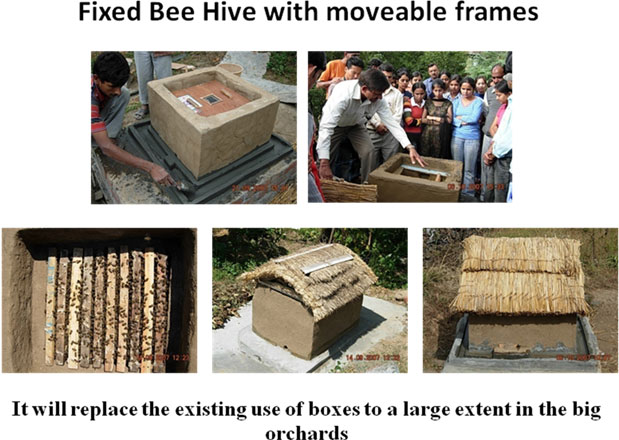
  • Methods for scientific management of Apis cerana indica honey bees have been developed and promoted among local bee keepers. A fixed beehive with movable frames has also been designed to keep cerana bees in fruit orchards.
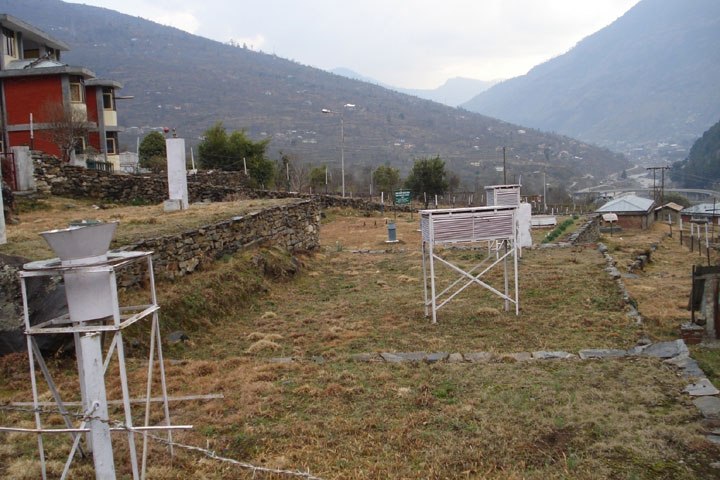
  • An Agromet Observatory has been established with the help of IMD during 1992. Based on the forecast received from Super Computer (Pune) under National Medium Range Weather Forecasting System, an Agromet Advisory Bulletin is prepared and released every week on Tuesday since 1995 through print and electronic media for the benefit of local growers.
s